| Let us suppose that liberals and conservatives were battling it out every legislative session to make family law more conservative or more liberal. Many people were unhappy having to live under laws that they did not agree with. Tensions ran high, and millions of dollars were donated to ‘buy’ votes and legislative action. |  |
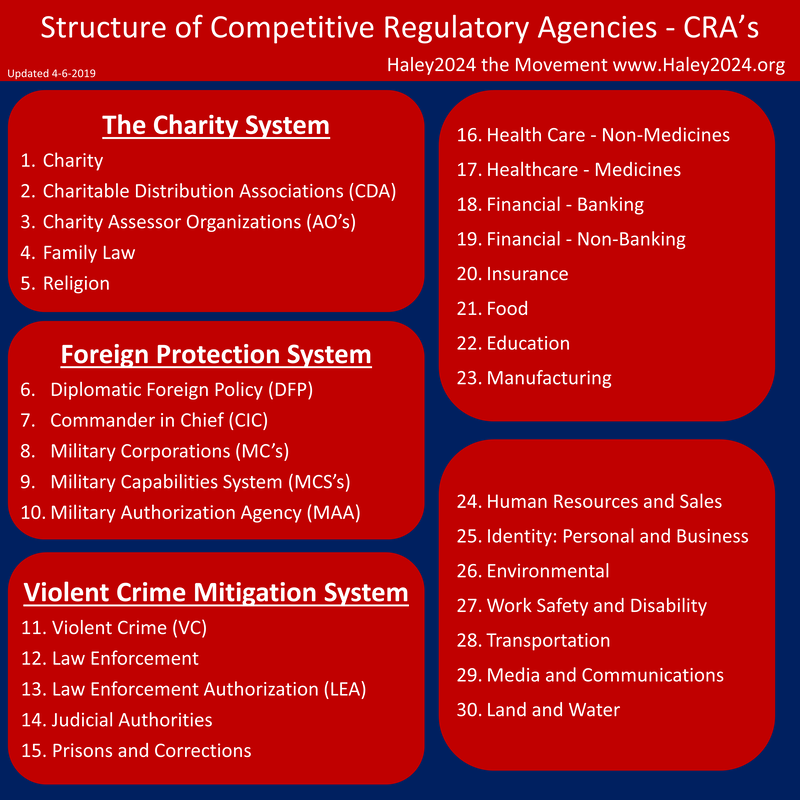 | Let us say that this constant state of animosity was occurring in South Carolina as well as North Carolina. Some smart legislators in both states came up with a plan. Similar legislation was proposed in both states that allowed citizens of either state to sign up to be governed under the other state’s set of family law. South Carolina allowed its state’s family law to go more conservative and North Carolina allowed its family law to go more liberal. |
| Liberals in South Carolina agreed to be governed by North Carolina Family law and Conservatives in North Carolina signed on with South Carolina family law. Both states gave mandates that husbands and wives, along with minor children, must stay with one or the other. Most big arguments were dealt with, and only minor issues remained. Courtrooms had switch-over days so that judges from each state switched to service their members in the other state. | 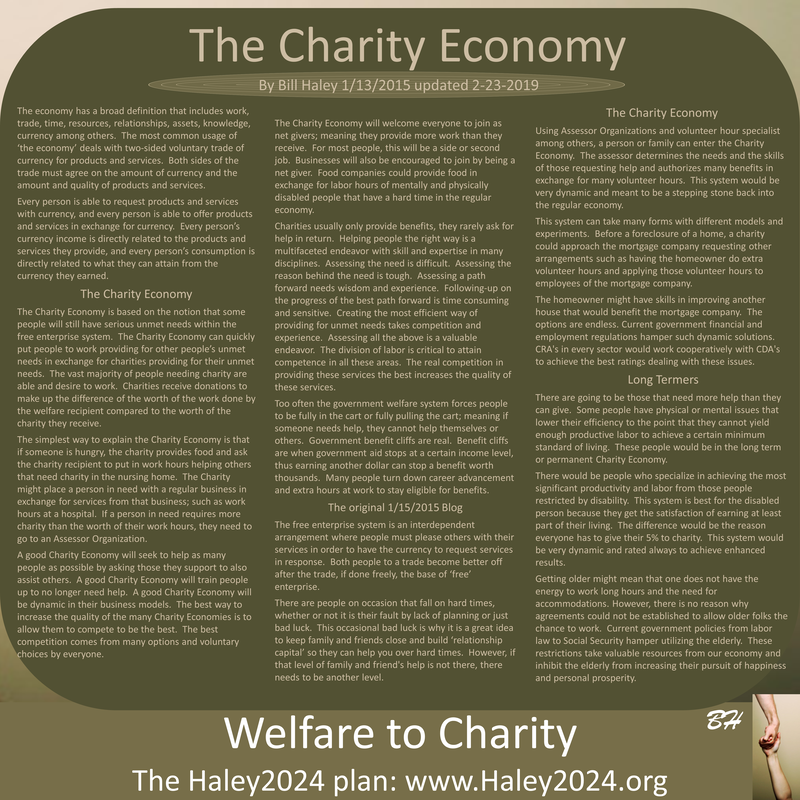 |
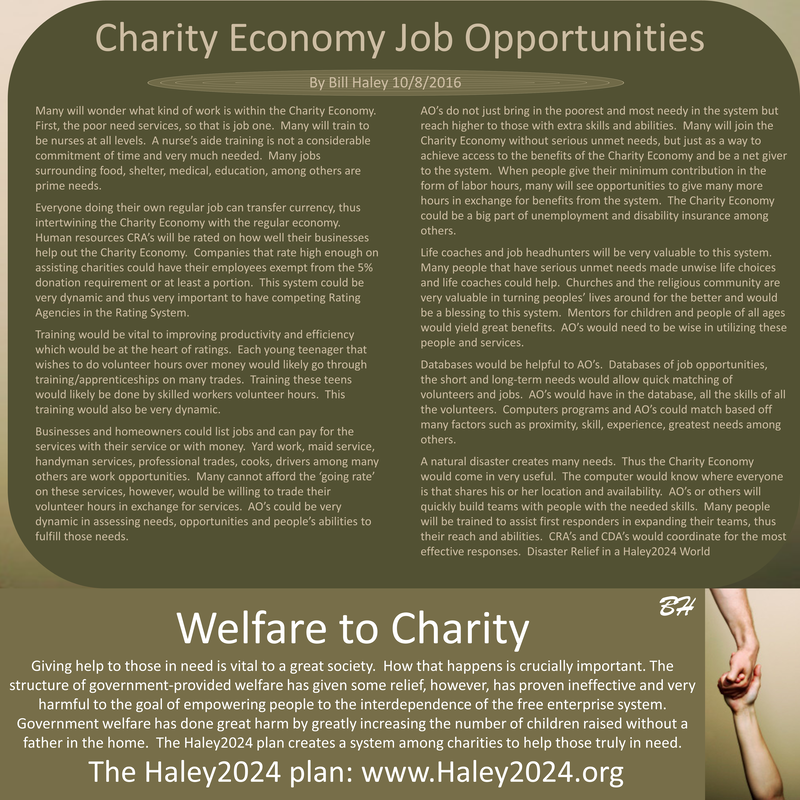 | Neighbors in these two states had less animosity with each other because winners of elections did not have a monopoly on issues of family law. The legislatures in Tennessee and Kentucky were also seeing significant disagreements and a demand from their citizens to have the same rights as the citizens of the Carolinas. They passed similar legislation, and a cascade of other states joined in. Every state allowed its set of family laws to fill a niche of the demand of citizens. Within a couple of years, each state started playing games with budgets surrounding courts and family law. The social services departments dealing with foster care, and social workers were affected. |
| Legislatures from all the linked states agreed to tax and fund only the people and families that they govern. This means that South Carolina taxed 22% of the people in South Carolina, 26% of the people of Tennessee, 17% of Virginians, 33% of the people of Kentucky, and 18% of the people in North Carolina. This was a very specific and segregated tax for family law. All the funding went directly to cover the expenses to service those same members that were taxed. |  |
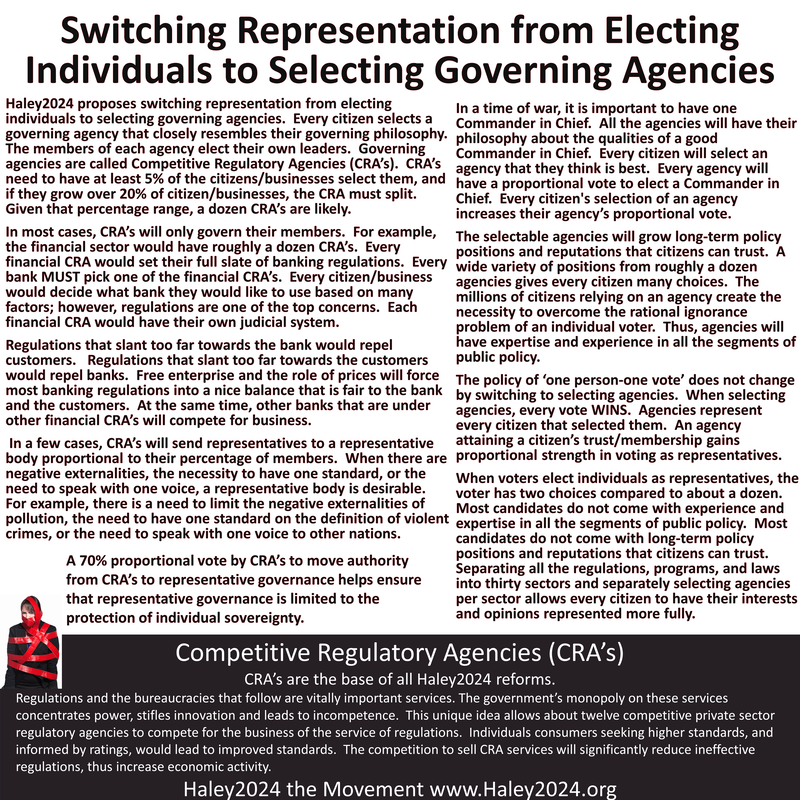
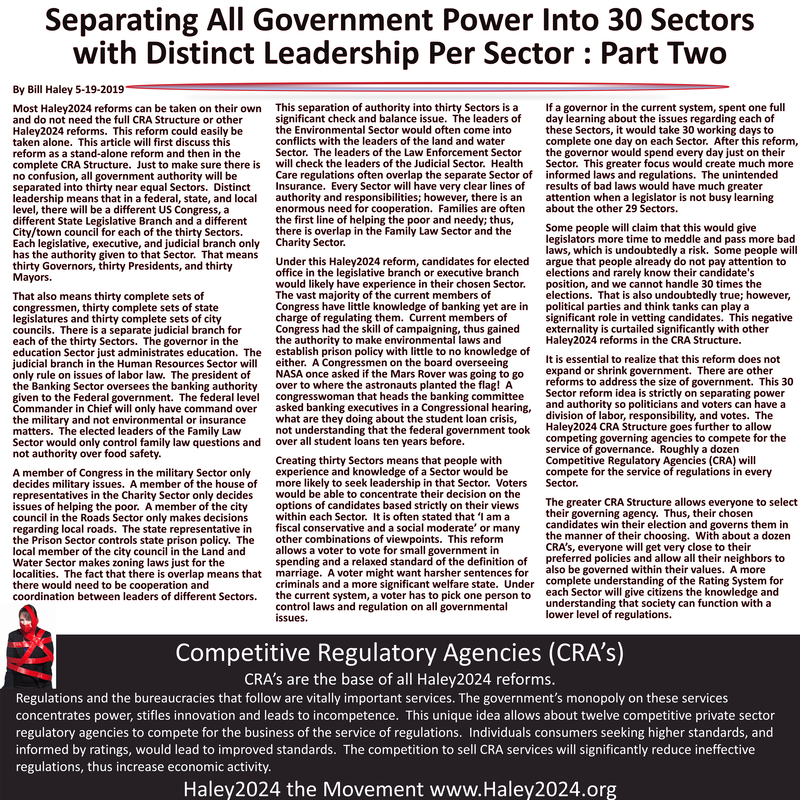 | Each state legislature was tired of trying to fine tune their family law within their legislative process. The next logical step was to allow the members across all the linked states to create a separate family law legislative body to just govern their members. The six states agreed to pass similar legislation creating six separate family law governing bodies. Each one of the six governing bodies had their own executive and judicial branches. All six states mandated that every citizen must become a member of one of the six. |
| Each of the six started to have its own reputation. Bad reputations experienced a loss of memberships, and good reputations experienced membership growth. Some liberals experienced that liberal family law was not the best and some conservatives rethought certain parts of conservative family law as too confining. Many people changed membership when they saw bad examples in their governing body or better results in another. | 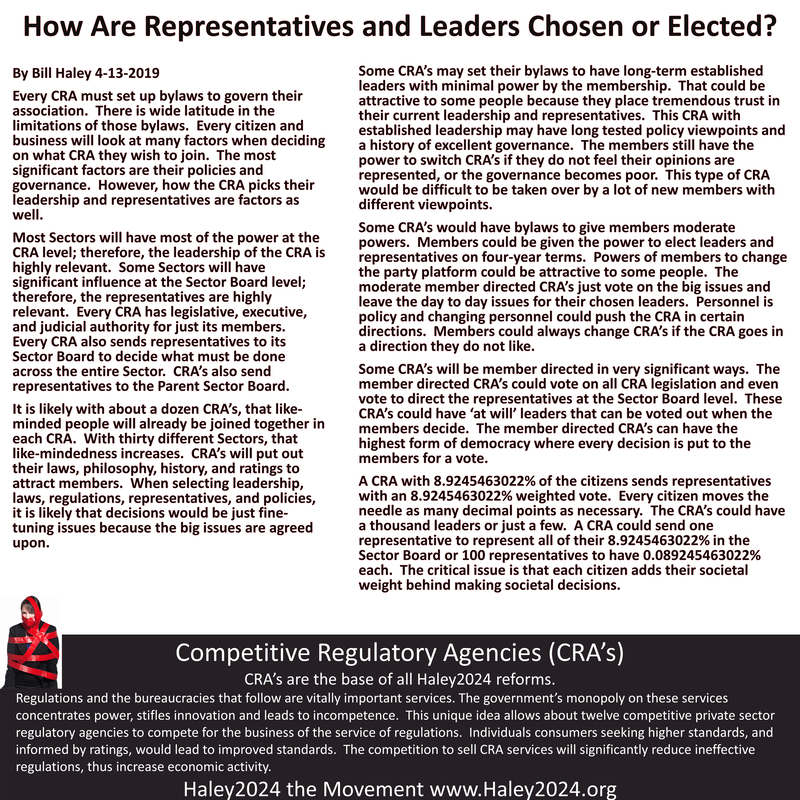 |
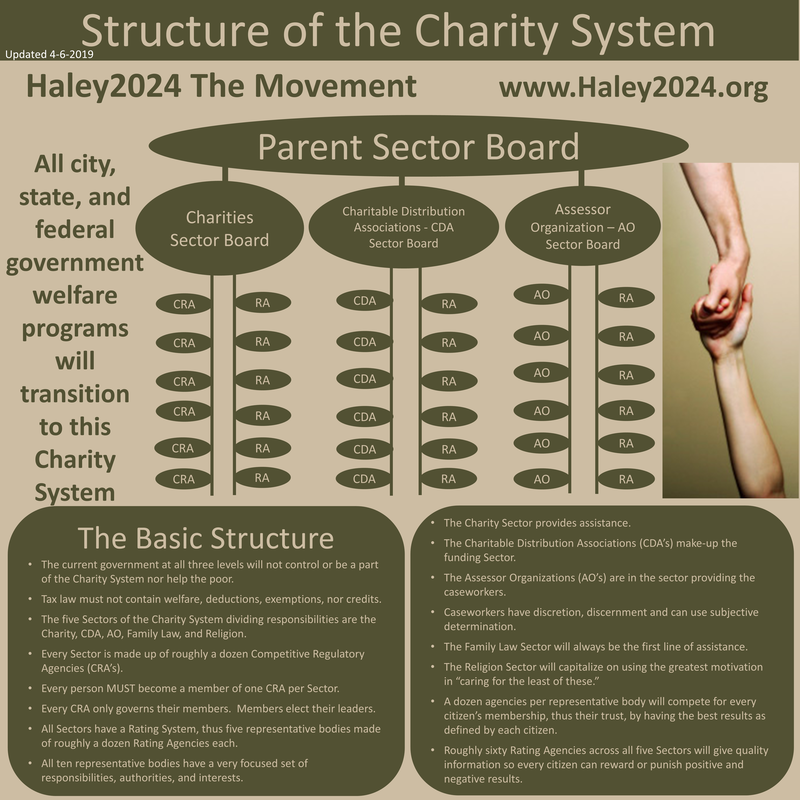 | Every governing body was in open competition for memberships. More memberships meant a higher budget and bragging rights. In order to attract members, family law governing bodies became very diligent in servicing their members productively, efficiently, professionally, and justly. Reputations became highly important. Scandals needed to be reduced. Unjust removal of children from their parents was balanced with the risk of keeping kids in an unsafe home. Each family law governing body competed to get the balance right. |
| New models of handling divorces were attempted to gain new members. Every governing body needed to perfect their elder-care laws to attract members. New ways of handling adoptions were proposed. Failures on different aspects of foster care saw lost memberships and a quick change back from the bad policies. Civil unions and domestic partnerships are tried in a variety of ways. A variety of methods dealing with spousal abuse are tried. Visitation, custody, and alimony can all be addressed differently. | 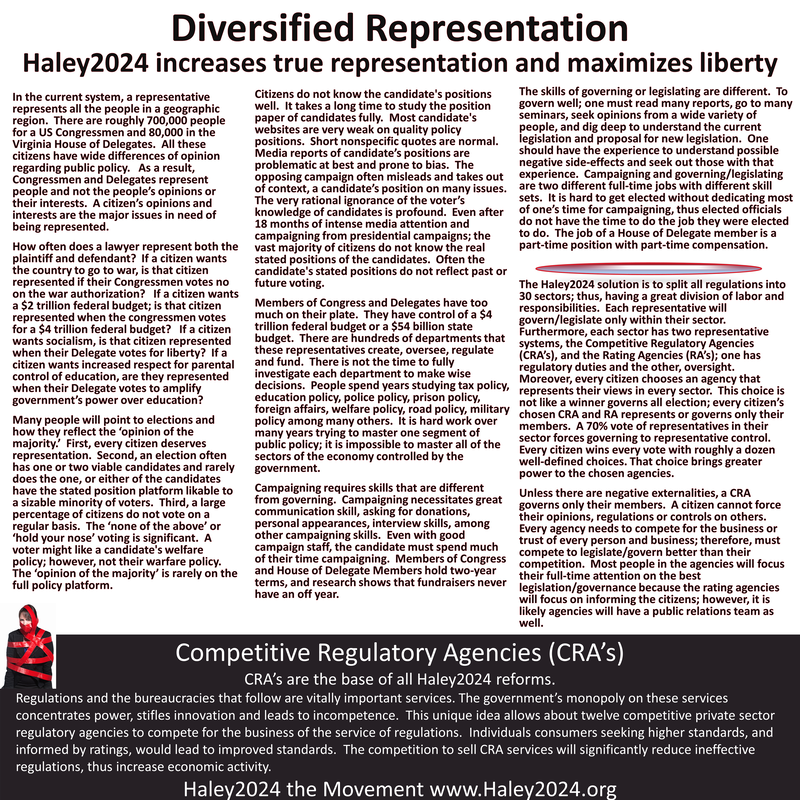 |
 | Some family law governance will bring the church and religious principals into the philosophy of family law governance. Other family law governance would stay strictly secular. As long as every citizen has non-religious options, there would be no restrictions on bringing the church and religion into the mix. Some people might want high church involvement; however, most governance would likely stay with 30% to 70% religious’ involvement. The key here is that every person and every family make that decision for themselves. |
| You get what you pay for. If your primary concern is paying the lowest ‘tax’ to your family law governing body, you are likely going to be unhappy with the service you receive. That ‘tax’ pays for the services, and if they do not have the money, the services would be inadequate. If you cannot offer enough money for a quality judge or pay for court staffing, you will likely ‘pay’ with long court delays and unjust rulings. Social workers are expensive, but the lack of them is more costly. | |
 | Some family law governing bodies will experiment with mandated charitable hours to assist fellow members in need. Big brother and big sister programs are likely examples as well as trading nanny services so single mothers can work. The need for a father figure is highly essential. Examples of good marriages in a child's life teach profound lessons. Members might sign up for elder care swaps in cases where adult children agree to house and care for another family’s elderly parent that outlived their own children in exchange of the knowledge and agreement that your parents will be housed and cared for if you pass on before your parents. The contract terms would have numerous variations. |
 |  |